Level Up. Build Strong. Communities | Careers | Futures
Women in Construction (WIC) Week is a time to recognize the women who help move construction forward and to make more room for their stories, leadership, and talent. This week matters because belonging does not happen by accident. It happens when we listen and when we share the real paths people have taken.
At MCAKC, we want women to feel welcomed, valued, and supported in every corner of this industry. That is why we are sharing stories from women in our community this week. Their words show what “Level Up” looks like in real life, through the work, the setbacks, the wins, and the pride that comes with building a career in construction.
A Story from Meghan
The story below is shared in full from Meghan Barton, and in her own words:
“I started dreaming about working with my hands in high school. While other students were mapping out traditional career paths, I enrolled in a vocational technical program for agricultural science, earning six hours of transferable college credit before I even graduated.
With a $1,500 scholarship in hand, I became the first person in my family to attend college. I felt like I was walking on air.
My father had joined the Marine Corps after high school and later built a career driving semi-trucks, a natural extension of his time working in the motor pool. My mother raised three daughters while running a home daycare before eventually working as a grocery store clerk. This year, they celebrate 41 years of marriage. From them, I learned resilience, work ethic, and commitment.
While attending community college, I worked for a small lawn care company—just the owner and me at first. As business grew, I led a crew of three high school boys. I stayed for five years, gaining hands-on experience in hardscaping, mowing two-acre properties in the summer heat, and handling equipment built for someone much taller than my 5’2″ frame. Watching a project move from design and layout to installation and completion gave me a sense of accomplishment I couldn’t find anywhere else.
It took me ten years to complete my two-year Associate of Applied Science degree in Grounds and Turf Management. I paid for every class and books myself, determined to graduate debt-free. When my corporate job later offered tuition reimbursement, my remaining classes didn’t qualify because they weren’t considered relevant to my role. So, I pivoted. If they wouldn’t reimburse my first degree, I would earn one they had to.
I returned to school for a second AAS in Business Management. This time, I worked full-time during the day, attended classes two nights a week, and held two additional part-time jobs. For two years, I maintained that grueling schedule. When I graduated, the fulfillment was overwhelming. They were “just” associate degrees—but to my family, and to me, they were milestones no one could diminish. I did it, I graduated debt-free, a feat in itself, with a pretty decent GPA as well.
Still, something was missing.
I left the corporate world unsure of my next step, but certain of one thing: I needed to build, fix, and create. Working with my hands made me happy—especially in spaces where women were rarely seen.
Then came the phone call. A parts desk position that could potentially lead to a field service role as a pipefitter.
A what?
I accepted the offer. When I told my parents, my mom asked my dad what a pipefitter was. I clarified that I would be training as a Refrigeration service technician.
Later that evening, my dad quietly told my mom, “She’ll end up making more than I do.” That was the moment everything shifted. Not because of the money—but because I realized I was building something bigger than a paycheck. I was building possibility.
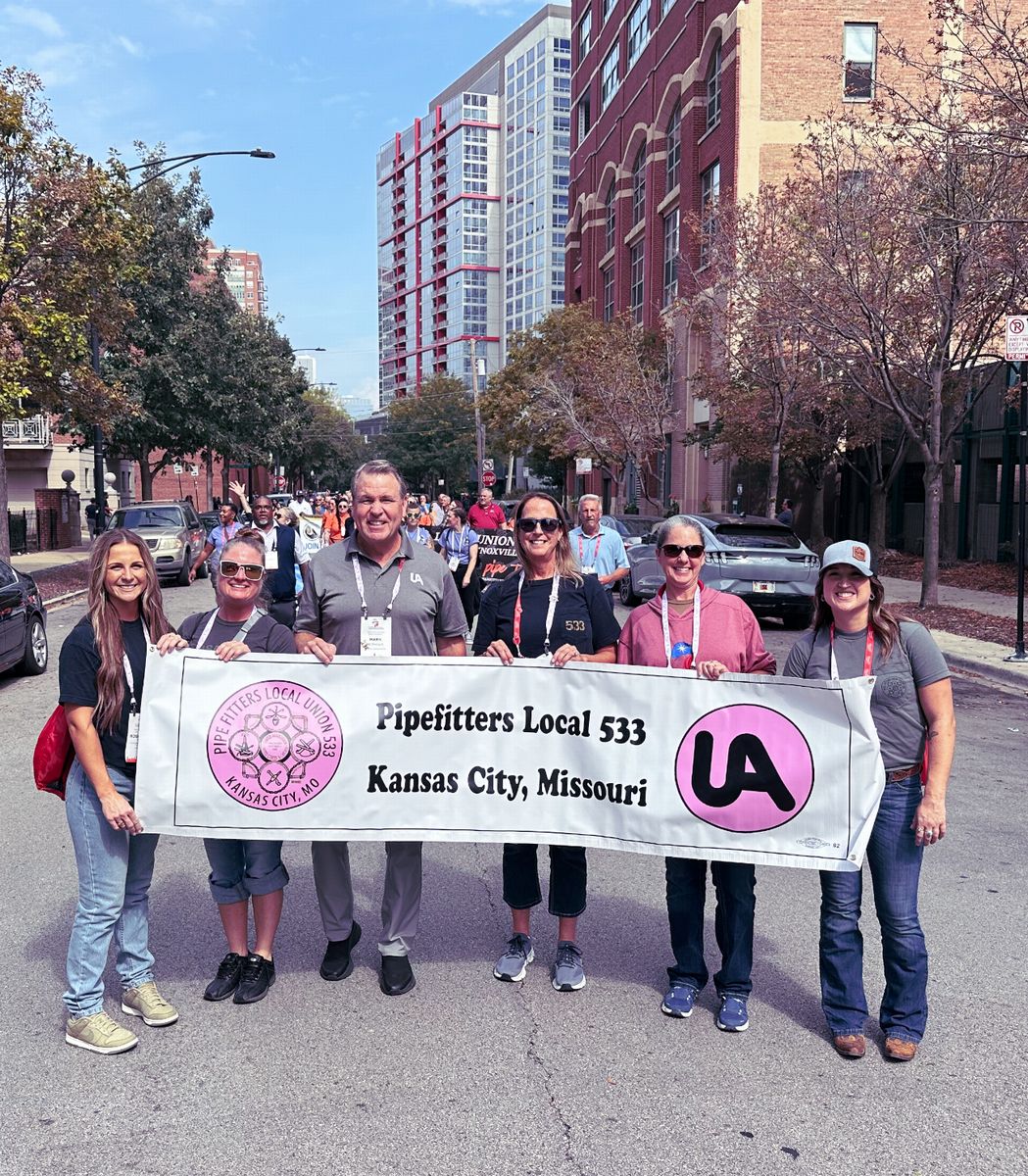
Two years into the trade with Pipe Fitters Local 533, I was laid off due to apprenticeship ratios after a fifth-year apprentice lost his position. As the most recently hired, I was the first to go. I found another small shop—just three technicians including me—but when work slowed, I was let go again.
The second time, laid off, I didn’t sit quietly.
I called the union hall weekly—sometimes daily. Nearly ten months passed before I received another opportunity. I went to the interview and before I even made it home, the shop had contacted the hall with an offer.
Today, I work as an HVAC service technician—a role I fought hard to earn.
The trade hasn’t always been welcoming. I’ve heard the comments. I’ve felt the doubt. Some still believe women don’t belong in skilled trades, or that we aren’t expected to pull our weight. But every skeptical look fuels me. Not to prove them wrong—but to prove myself right.
I like volunteering to speak with the kid groups, like Heavy Metal Summer Experience and NAWIC, to introduce (high school) kids to the opportunities they may not know about; that there is a possibility for them. I speak with the kids to tell them there is a way to be positive and be strong and how college may not be for them but there are options for a career and not just a job, with an education, that gets paid for by a company.
I became part of my training center’s first Student Apprentice Council, by being voted in by our peers. This was established to help other students with questions regarding school or the union. It also helps them get more involved with the training center and other local 533 union functions, as a brotherhood.
I had the fortunate opportunity to participate in the last two Tradeswomen Build Nations conferences. It is an amazing experience to see how many women in all trades show up and support each other: one brotherhood is one womanhood. It was also glorious to see how many significant others there were to support their spouse. Support and love not only at home, but out in the open, where all can see the pride in their spouses’ trade.
I recently volunteered to show other women how to be confident around their own HVAC units at their homes. It was nice to be able to answer the questions from the women, who didn’t know they could do those simple things.
My father gave me my work ethic—and my stubbornness. My mother raised me to be strong-willed and protective, to stand tall and defend what I believe in. Together, they unknowingly built the foundation that carries me through every attic, rooftop, and mechanical room.
The greatest part of my job, is sharing my daily “office views” with my family. Whether it be a sunrise view from a rooftop downtown Kansas City, MO or inside a hot boiler room in a basement at a nursing home, or a snowy rooftop with a shovel to lead the way to a unit. They are with me, every day, every trip.
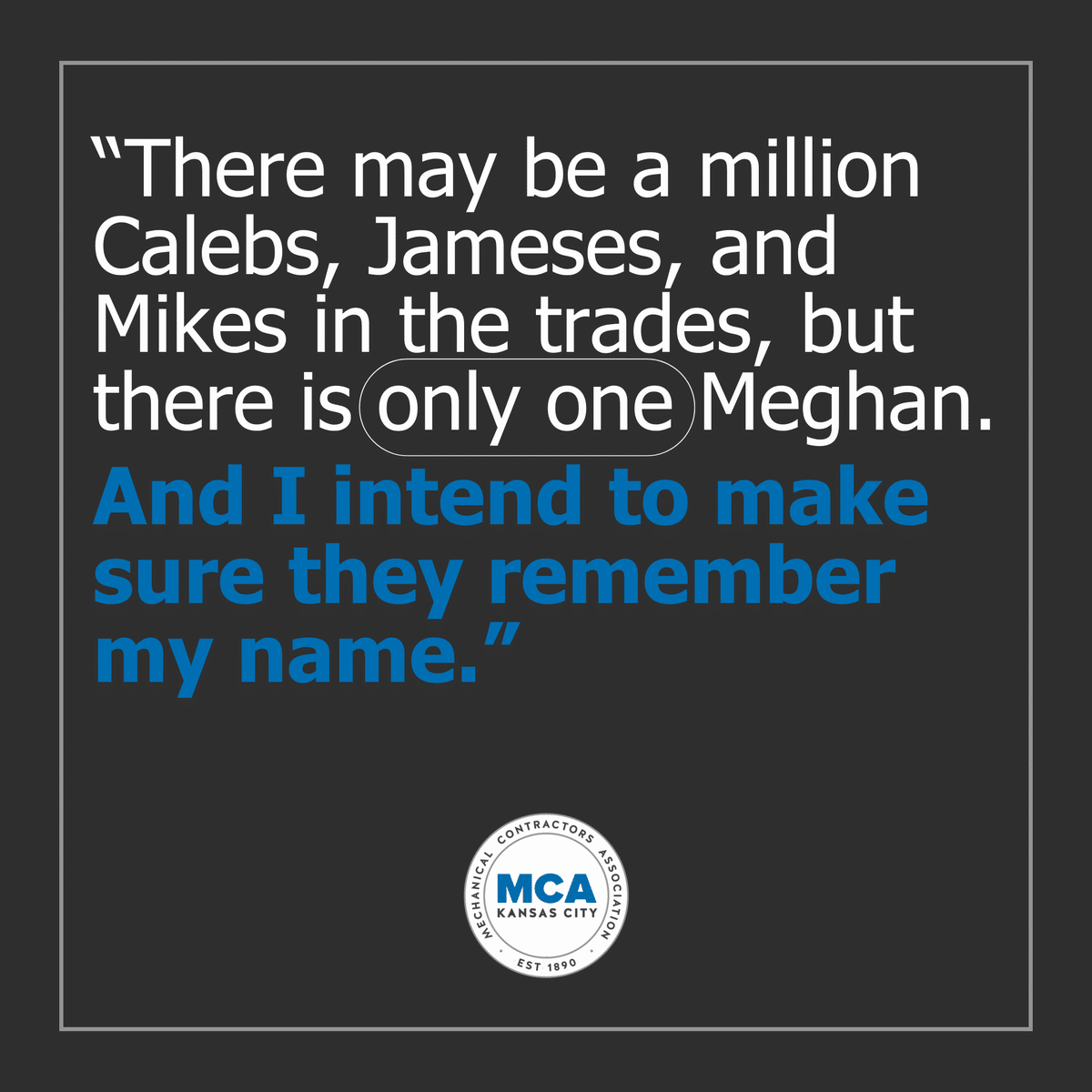
There may be a million Calebs, Jameses, and Mikes in the trades, but there is only one Meghan.
And I intend to make sure they remember my name.”
More Women. More Voices.
When the theme calls us to build strong communities, it starts with support that makes someone feel seen. Hannah Thomazin puts it simply: “To me, Level Up means continuing that cycle of support. It means empowering others, so they feel seen and have a space to connect.”
Lindsay Phillips captures the pride of building places that serve people every day: “I built the airport, the convention hotel, a few data centers, hospitals, waste treatment plants, prisons, and many others.”
Building strong careers takes courage, especially when someone chooses a path that is not always expected. Madison Cassavaugh shared, “I have realized that I can do things I never thought possible.”
Sophie echoed that purpose through the work she chose: “Choosing safety was a natural fit, allowing me to combine my passion for the field with my commitment to protecting people who make projects possible.”
And when we talk about futures, we are also talking about the next generation. Cait Neugent said it best: “Passing along knowledge to apprentices has been one of the most rewarding parts of my career.”
A strong future is built when others reach back to lift others up with them.
Belonging with WiMI-KC
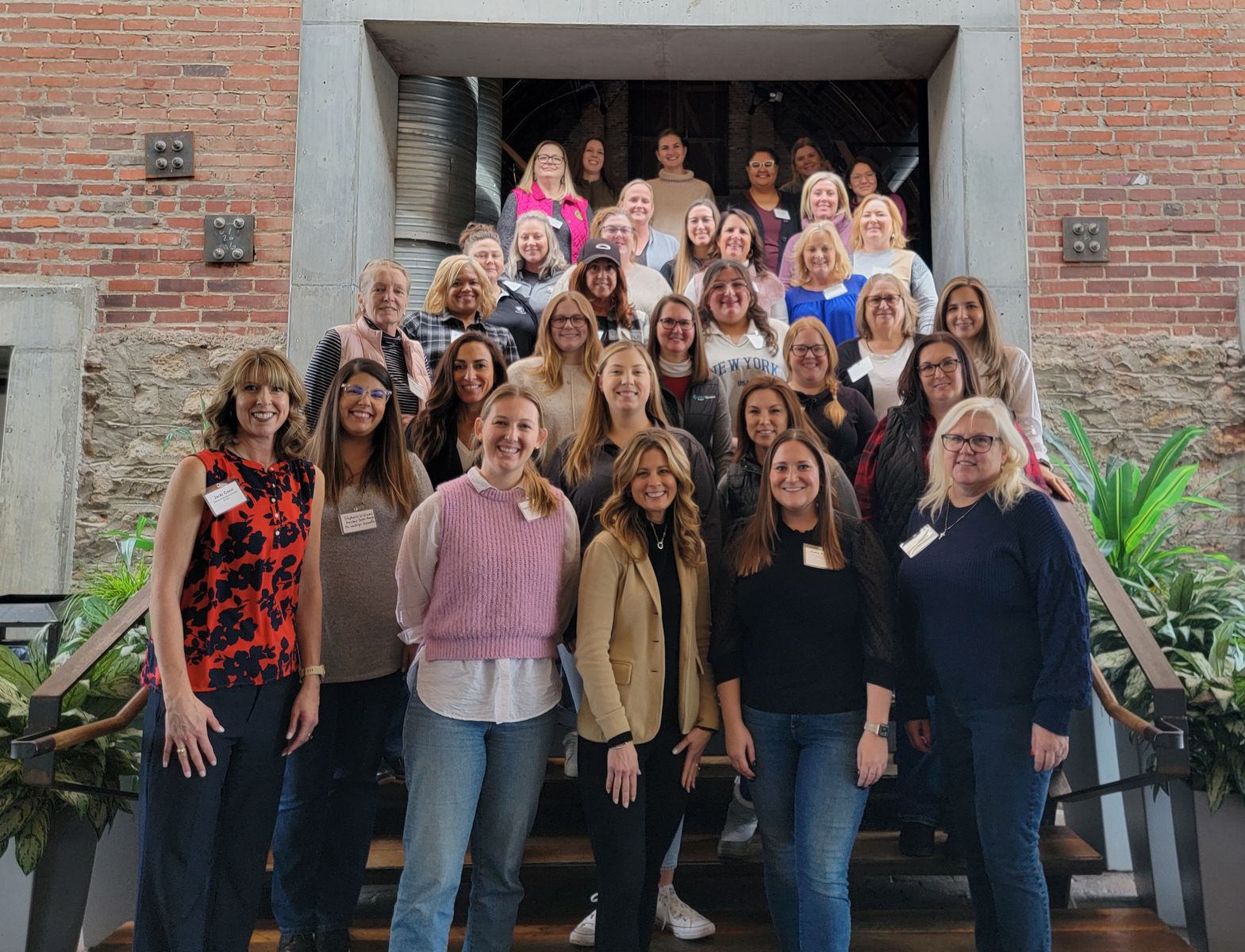
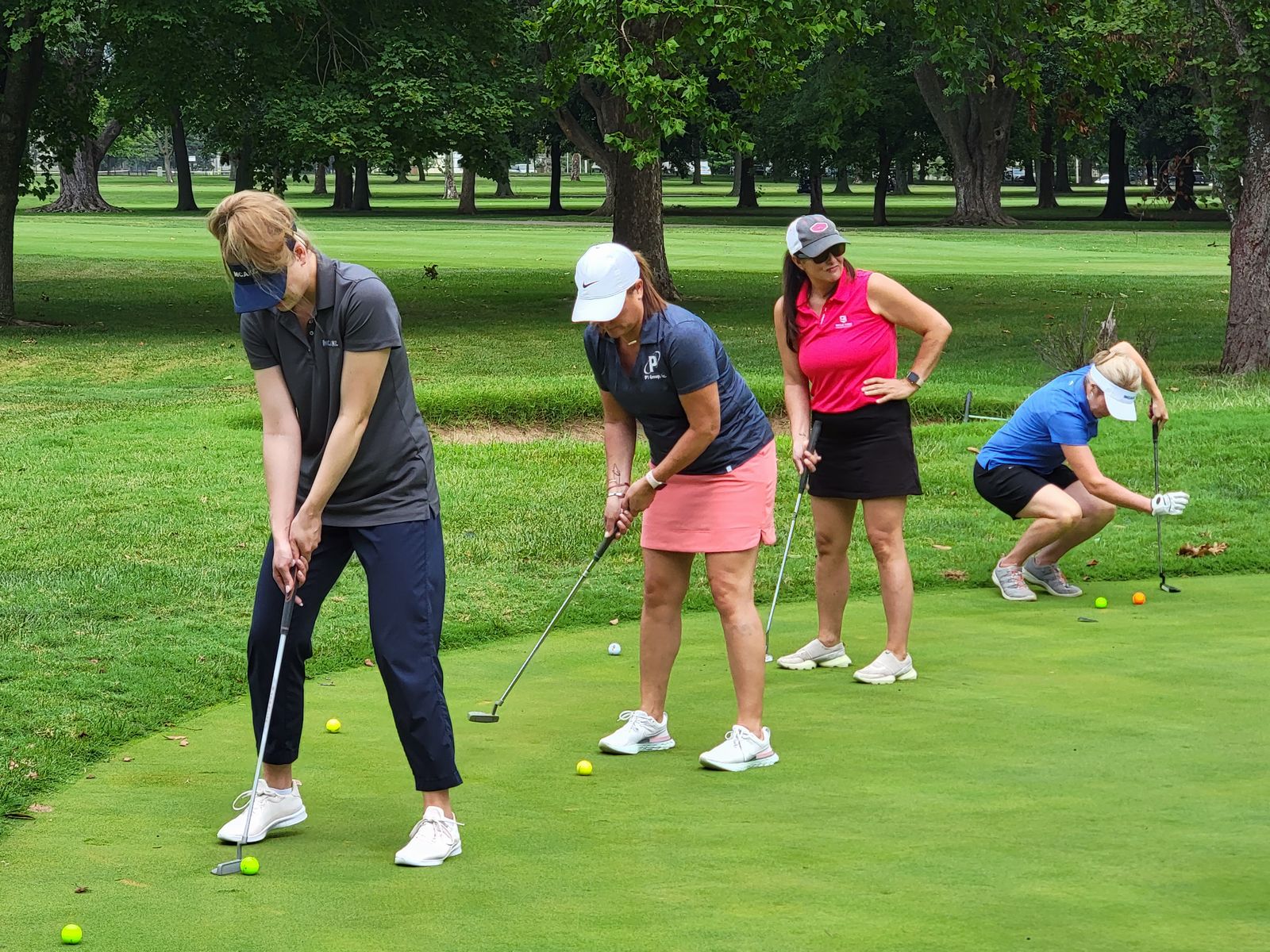
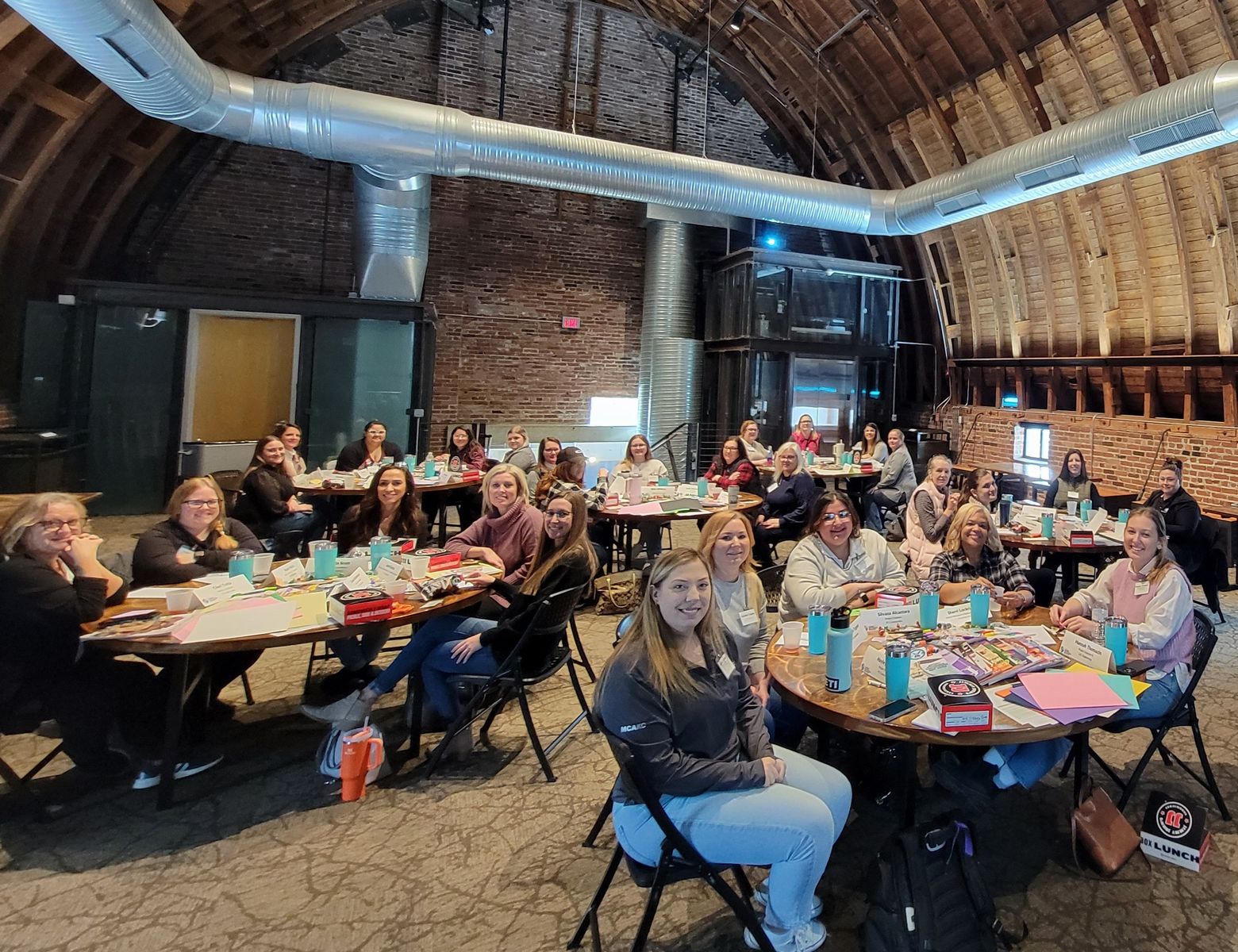
Women in the Mechanical Industry – Kansas City (WiMI-KC) exists for exactly this reason. WiMI-KC’s mission is to form a community that engages, empowers, inspires, and mentors women in Kansas City’s mechanical industry by educating, supporting, collaborating, sharing best practices, and volunteering together.
WiMI-KC is one way we keep building a culture where women feel connected and supported, whether they are new to the industry or have been in it for years.
Follow Along
We will be sharing more stories during Women in Construction Week. Follow MCAKC on LinkedIn to see highlights from these women and the impact they are making across Kansas City.